Building ToleranceLab: Shipping an Engineering Tool at Vibe Speed
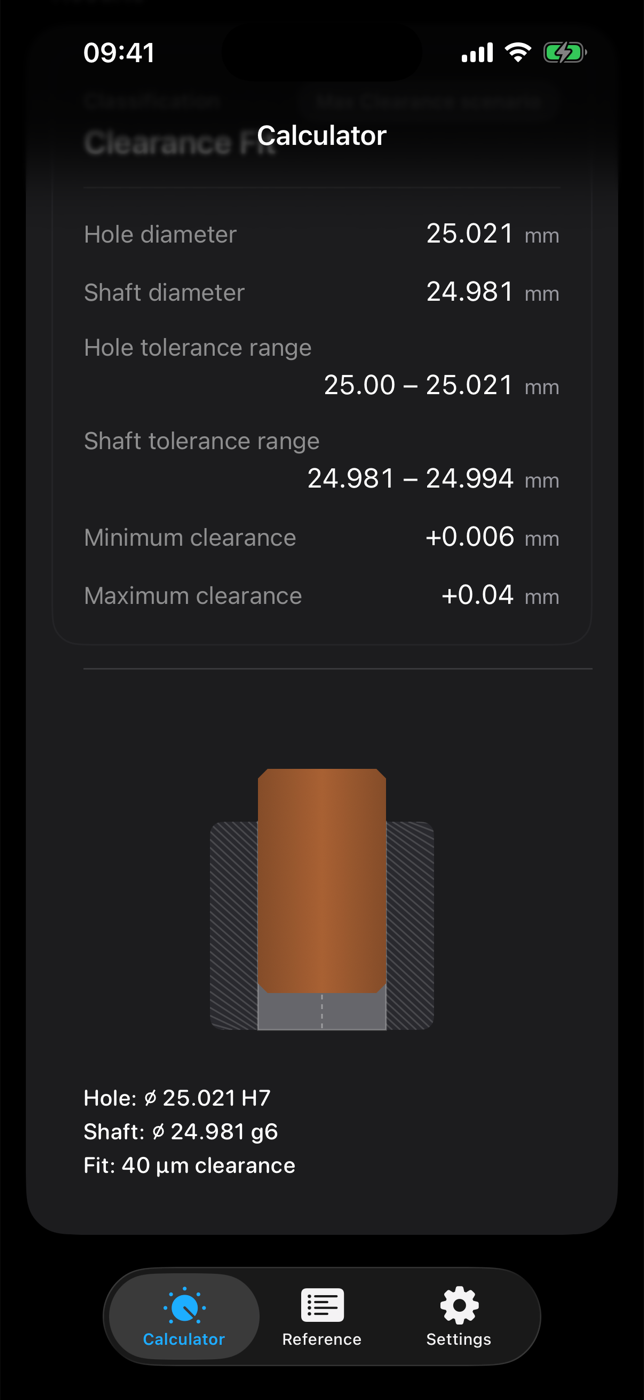
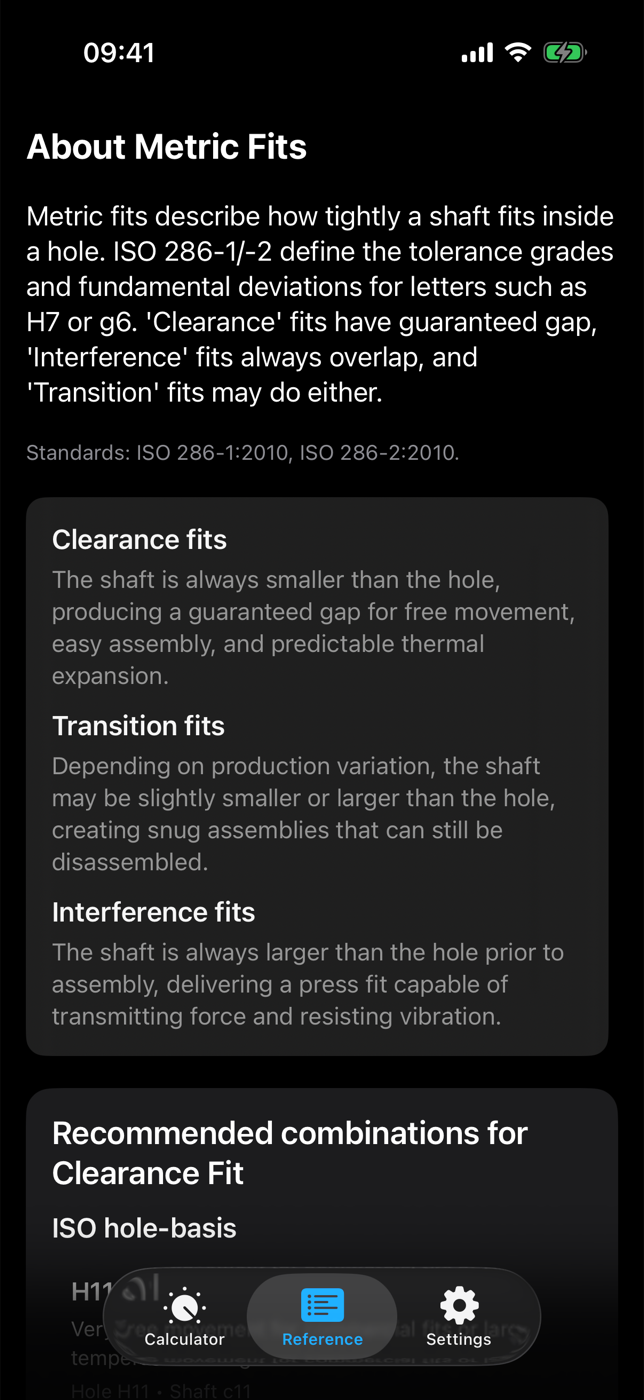
ToleranceLab started from a simple workflow problem: if you already know the kind of fit you want, you shouldn’t have to fight the process to get there. The goal was to make a tool where you pick the fit you’re aiming for, enter the diameter you want to use, and immediately get the limits and resulting clearance/interference—no table-hopping, no extra steps. I built it with a fast, iterative vibe-coding approach, but the intent was always practical: make ISO 286 fits feel like a direct input → direct answer tool that you can use while designing.
The Two Apps I Built Before I Became an Engineer
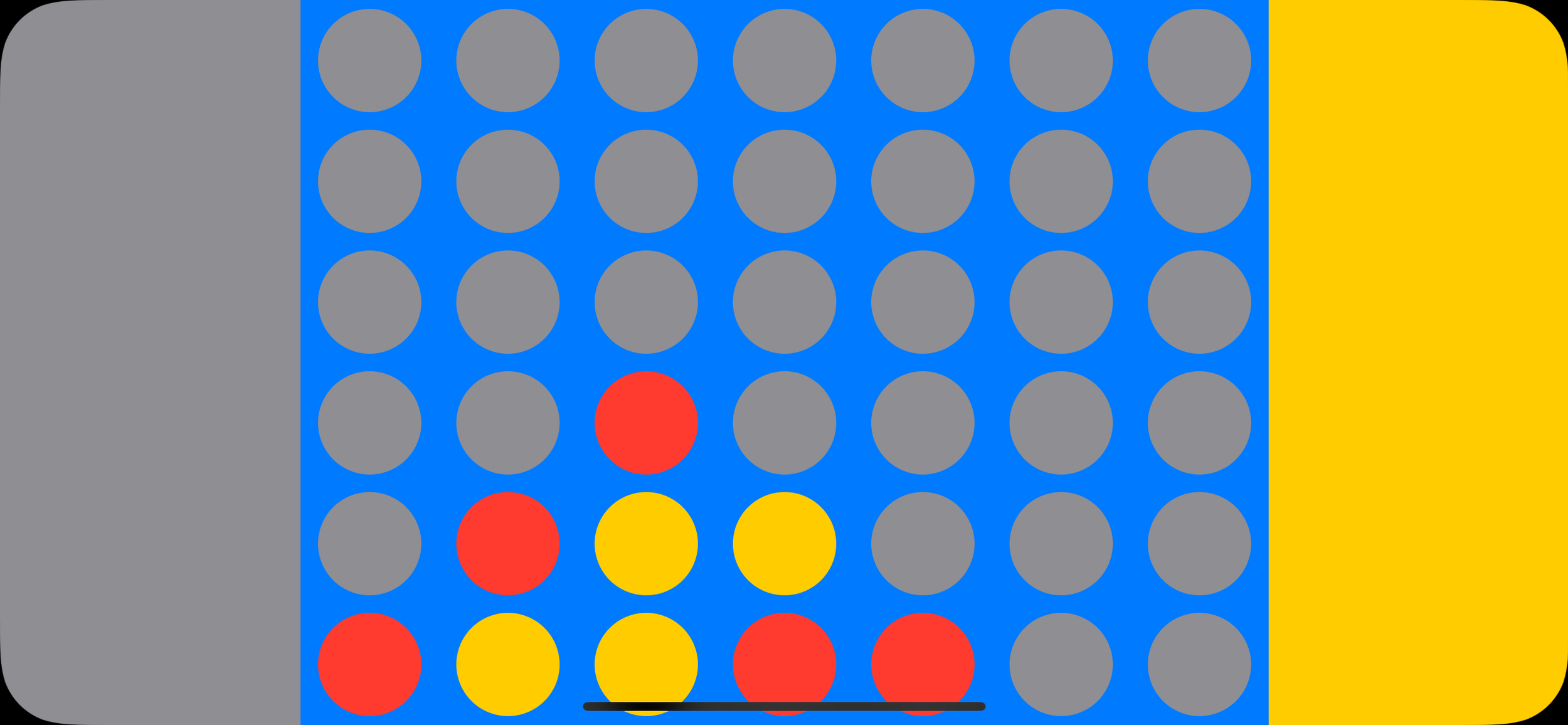
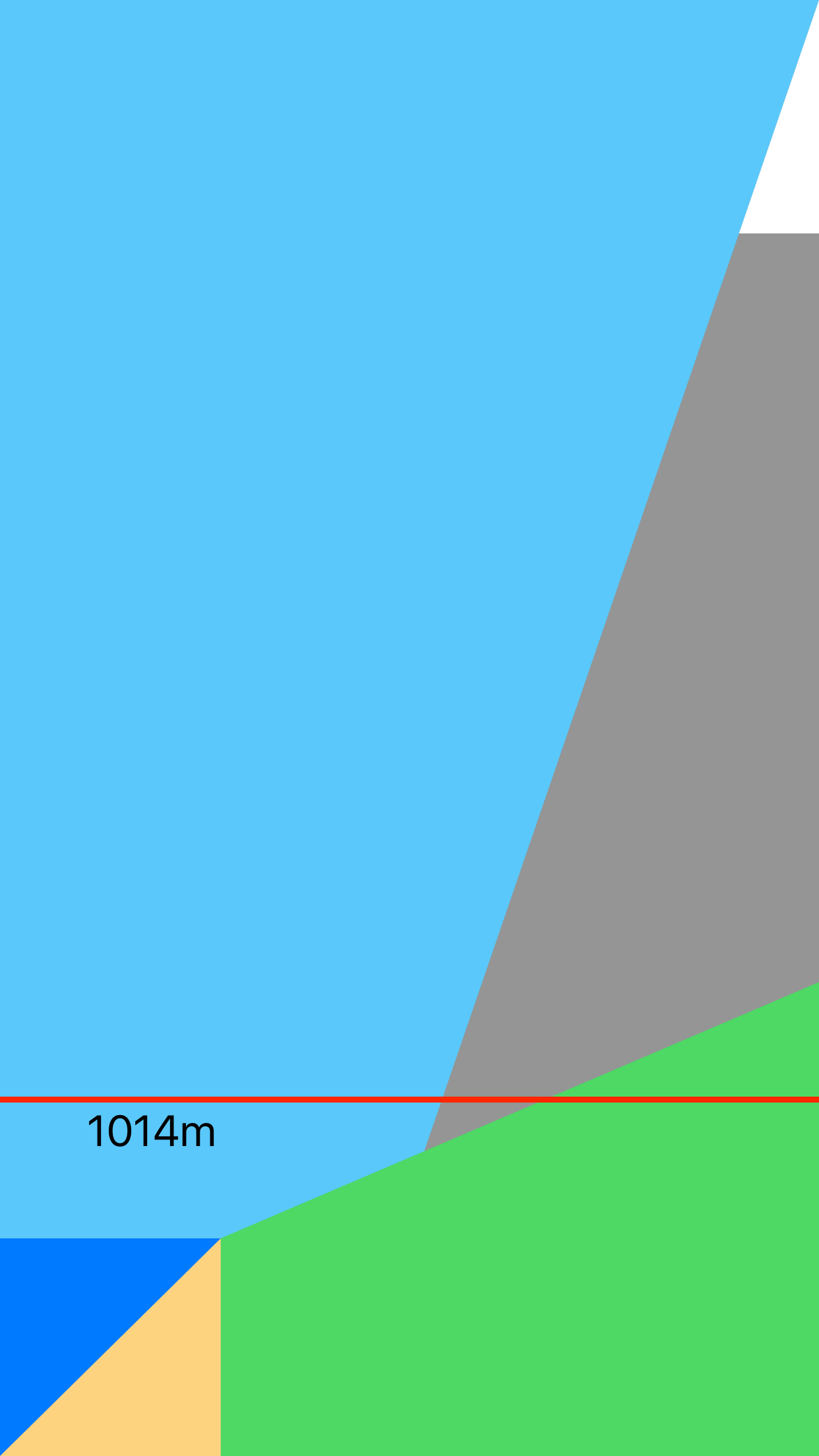
In high school I did a bit of programming and ended up publishing two apps. The first was Everestmeter, which used the phone’s barometer to estimate your altitude and map it onto a simple scale from sea level up to Mount Everest. The second was a small game (basically four-in-a-row) and the part I cared about most was implementing win detection in a clean way using the same linear algebra patterns I was learning at the time. I didn’t keep building software seriously after that, but the recent wave of coding tools like Cursor, Claude Code, and Codex made it feel realistic to jump back in and ship something quickly again. This time, instead of building a general-purpose app or a game, I wanted to apply it directly to my day-to-day work as a mechanical engineer, which is what led to ToleranceLab.


Describe, review, merge, repeat.
The first commit message is honest: “first attempt from ChatGPT to one-shot the app. Did not build.” From there the real process was a loop with Codex — describe a fix or feature, review the pull request, merge, repeat. Around 120 pull requests landed that way across 287 commits: build fixes first, then a keyboard toolbar, a startup-hang fix, graceful handling of invalid diameters, and round after round on the fit visualization until the cross-section finally read like a drawing.
The judgment calls stayed human.
Codex wrote most of the Swift; the engineering review was my job. That meant correcting the ISO tolerance calculation logic when it drifted from the standard, tightening the shaft-basis interference guides, and auditing the press-fit pressure derivation before trusting its numbers. Along the way the app grew unit tests, a press-fit material library with real materials, and German and French localization — and it changed names, starting life as InterFit and becoming ToleranceLab. Twelve weeks of evenings, one pull request at a time.